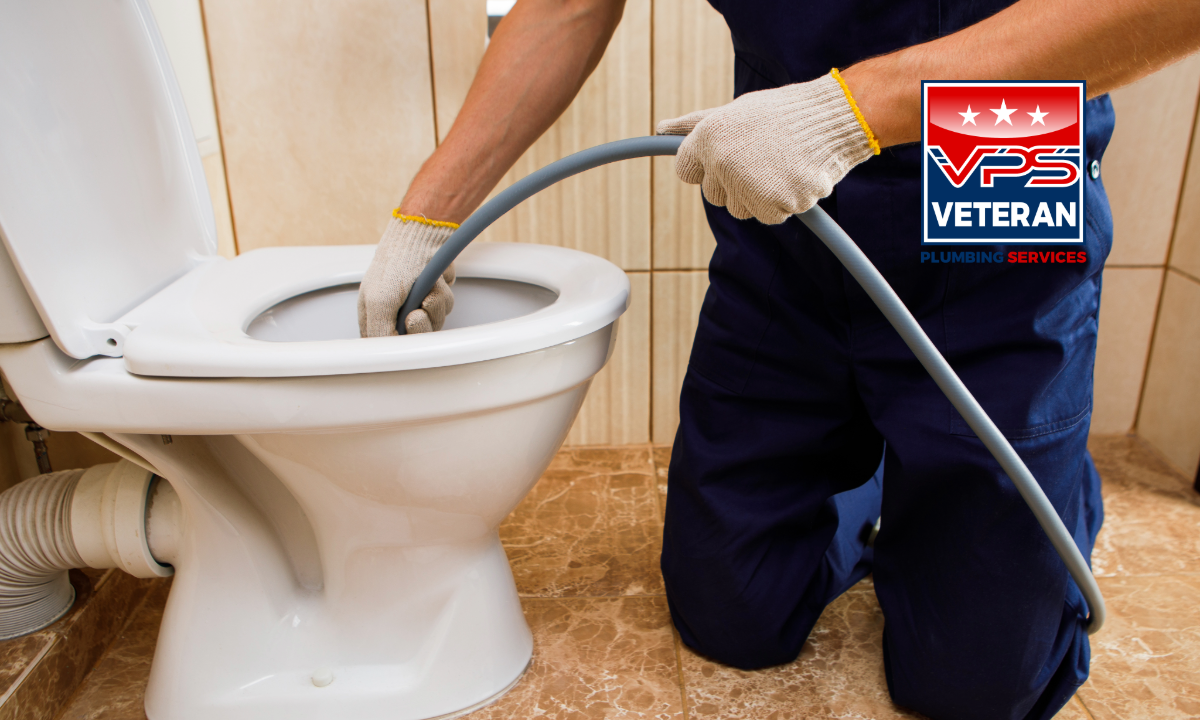
South Riding was designed with a strong emphasis on green space, mature landscaping, and tree-lined streetscapes. Twenty-plus years after the community’s development, those design goals have been achieved beautifully — the trees are large, the canopy is full, and the neighborhoods feel genuinely established. Underneath that canopy, however, is a sewer infrastructure that is now at exactly the age and root exposure level where root infiltration becomes a serious and growing problem for homeowners who have never had their sewer lateral inspected.
Sewer Root Intrusion in South Riding?
Veteran Plumbing clears root intrusion and protects South Riding sewer lines throughout Loudoun County.
Call: 703.791.1339
Why South Riding Sewer Lines Are Now at Peak Root Intrusion Risk
South Riding’s residential development began in the late 1990s and continued through the 2000s. The sewer laterals installed during that period are now 20 to 25 years old — still relatively young for PVC pipe, which has a 100-year service life under ideal conditions. The problem is not the pipe material. It is what has grown around it.
The trees planted in South Riding’s front yards, along its walking paths, and throughout its common areas during those same years are now large, established trees with root systems that extend 30 to 50 feet from the trunk in some species. Bradford pear, silver maple, sweet gum, and zelkova — all commonly planted in South Riding — produce root systems that actively seek underground water sources, including the moisture vapor that escapes from sewer pipe joints even in well-installed PVC systems.
How Root Intrusion Happens in a PVC Sewer Pipe
PVC pipe is joined with rubber gaskets or solvent-welded fittings. Properly installed and maintained, these joints are root-resistant. But after 20 years of soil movement, minor thermal expansion and contraction, and the pressure of growing root systems on the soil above and around the pipe, even well-installed PVC joints can develop hairline separations. A root tip one millimeter in diameter can penetrate a hairline gap. Once inside, it finds warm, nutrient-rich water and grows at rates that can fill a significant portion of the pipe within a single growing season.
The South Riding Root Intrusion Pattern
In South Riding, root intrusion most commonly appears at the fittings where the main sewer lateral changes direction — typically near the foundation and at the point where the lateral approaches the property boundary and connects to the public main. These fittings experience the most stress from soil loading and are the most likely to develop the small joint separations that roots exploit first.
The Warning Signs of Root Intrusion in a South Riding Home
- A toilet that gurgles periodically without an obvious cause
- Drains that run normally in summer but slow noticeably in spring when root growth is most active
- A recurring main drain backup that clears after snaking but returns within six to twelve months
- Multiple slow drains appearing gradually across multiple fixtures over the same season
- A sewer smell in the basement or near a floor drain after heavy rain
For a detailed explanation of how root intrusion progresses from first entry to pipe blockage, see our related guide: The Real Reason Your Drains Keep Clogging.
Stopping Root Intrusion for Good in South Riding
Hydro Jetting: The Right First Step
Before any lining or repair, the pipe must be clear. Hydro jetting uses high-pressure water to cut through root masses and flush them out of the pipe, restoring full flow. Jetting alone is a temporary solution — roots begin regrowing immediately — but it is the required preparation step before any permanent repair.
Trenchless Pipe Lining: The Permanent Solution
After jetting, a trenchless epoxy liner is installed through cleanout access points and cured against the pipe walls. The cured liner seals all existing joint gaps and cracks, eliminating every entry point roots used to get inside the pipe. Roots cannot penetrate a properly cured epoxy liner surface. For South Riding homeowners who have had root intrusion cleared once and do not want to clear it again, lining after hydro jetting is the solution that ends the cycle.
Clear It Once. Line It. Done.
South Riding sewer laterals with root intrusion that have been cleared without lining will face the same problem within one to two growing seasons. The lining makes it permanent.
Schedule Root Intrusion Service in South Riding | 703.791.1339
Frequently Asked Questions About Sewer Root Intrusion in South Riding, VA
Do I need to remove the tree to fix root intrusion in my South Riding sewer line?
No. Removing the tree does not immediately stop root activity — the existing root system remains alive and the roots already inside the pipe continue growing. Lining the pipe seals the entry points regardless of whether the tree is removed or not. For most South Riding homeowners, lining the pipe without removing the tree is both the more effective and the more practical choice.
How fast do roots grow back after hydro jetting without lining?
The regrowth rate depends on the tree species and seasonal growth activity. Silver maple and willow roots regrow the fastest — in some cases producing a partial blockage again within six months. Most other common South Riding landscape trees produce regrowth that becomes a significant obstruction within one to two growing seasons after clearing.
Can I use copper sulfate root killer to manage root intrusion in South Riding?
Copper sulfate products can slow root regrowth as a maintenance supplement, but they do not remove existing root masses or seal the entry points roots used to enter. They also should not be used if your sewer lateral connects to a system with copper fittings, as the chemical can accelerate copper corrosion. As a standalone solution, they are insufficient for an established root intrusion.
Does Veteran Plumbing inspect for root intrusion with a camera before recommending lining?
Always. A camera inspection before any repair confirms the location, extent, and severity of root intrusion and determines whether lining is the appropriate repair or whether a structural pipe issue requires a different approach. We do not recommend lining without a camera confirming the pipe is a suitable candidate.
Does Veteran Plumbing serve South Riding and the Dulles corridor?
Yes. Veteran Plumbing serves South Riding, Dulles, Brambleton, and communities throughout eastern and central Loudoun County.
Veteran Plumbing — South Riding Root Intrusion and Sewer Repair
Camera inspection, hydro jetting, trenchless lining — serving all of Loudoun County.