Hey neighbors – Dennis here, owner of Veteran Plumbing Services. I’ve lived and worked around Northern Virginia for years, helping folks in Fairfax County, Loudoun County, Prince William County, Culpeper County, Fauquier County, and Stafford County with their plumbing. One of the worst home problems I see (and smell) is a sewer backup. In this post, I’ll walk you through the dangers of sewer backups, the common causes around our region, how sewer line inspections work, and some local insights. My goal is to explain it all in plain language, as if I’m chatting with you over the backyard fence.
Why Sewer Backups Are So Dangerous
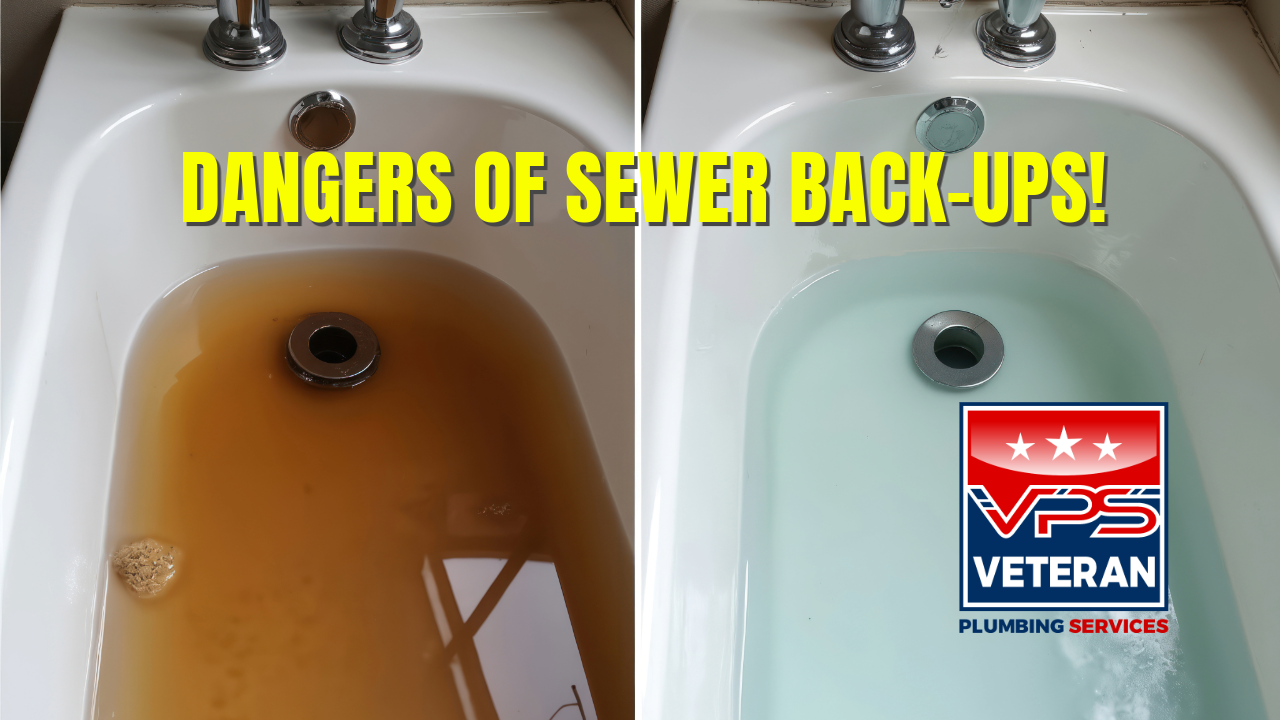
Nobody wants sewage in their home – it’s more than just a smelly inconvenience. Here’s why a sewer backup is a serious hazard:
- Serious Health Hazards. Sewage water is teeming with harmful bacteria, viruses, and possibly parasites. Exposure can cause anything from stomach bugs to skin infections, and poses serious risks especially to kids, the elderly, or anyone with a weakened immune system.
- Property Damage. Sewage-contaminated water can wreak havoc. Drywall, flooring, and wood can soak up contaminated water and begin to rot. Carpets and furniture can be ruined. I’ve seen finished basements in Fairfax completely gutted after a severe sewer backup because the materials were beyond saving.
- Mold Growth. Mold can begin growing on damp surfaces within 24 to 48 hours. I’ve walked into a basement in Loudoun County a week after a sewer backup and you could already smell the musty odor of mold starting to spread.
- Foundation and Structural Issues. If a sewer line breaks or leaks under your yard, it can erode soil and destabilize the ground under your foundation. In areas with clay-rich soil, excess moisture can make the clay expand and put pressure on foundations.
- Terrible Odors and Unsanitary Conditions. A sewer backup fills your home with an awful smell that can linger. The area contaminated by sewage is unsanitary until properly disinfected.
Common Causes of Sewer Backups in Northern Virginia
Aging Infrastructure
A lot of homes in Fairfax, Loudoun, and Prince William counties were built decades ago and many still have their original sewer lines. After about 25 years, pipes — especially older materials like cast iron or clay tile — can start cracking, sagging, or even crumbling. In some older homes from the 1950s and 60s, the sewer line might be made of Orangeburg (basically tar paper pipe) which tends to deteriorate and collapse after roughly 50 years. Aging, deteriorating sewer lines are a leading cause of backups because they’re more prone to blockages and collapses.
Tree Root Intrusion
We love our trees in Virginia – big oaks, maples – but those tree roots can be sneaky. Roots naturally seek water and nutrients, and a sewer line full of nutrient-rich water is very tempting. If there’s even a small crack or loose joint in your underground sewer pipe, roots can wriggle their way in. One example: a family in Stafford County kept having their drains slow down. When we sent a camera in, we saw a web of roots choking off the clay sewer pipe. It was like a scene from a horror movie in there. Removing the roots and repairing the pipe solved the issue.
Grease and Fat Buildup
Bacon grease, cooking oil, buttery sauces – when you rinse them down the kitchen sink, they don’t just vanish. As grease cools in the pipes, it congeals into a thick, waxy substance. Over months and years, layers of grease can build up on the inside of your sewer line, eventually narrowing the pipe. I’ve cleaned out lines with so much grease it looked like a candle had formed inside the pipe. The best prevention is to pour cooled cooking grease into a container and throw it in the trash, not the sink.
Flushing Non-Flushable Items
Toilets are not trash cans. Items like “flushable” wipes (they’re not really flushable), paper towels, feminine hygiene products, cotton swabs, and dental floss can cause a major clog. Unlike regular toilet paper, which dissolves, these items tend to stick around in the pipes. In one case out in Culpeper County, we discovered a preschooler had been sending little plastic dinosaurs on a voyage down the toilet – funny until those toys get lodged and cause a backup.
Heavy Rain and Stormwater Overload
Virginia weather can be unpredictable. When a storm dumps several inches of rain in a day, it can overwhelm storm drains and sometimes indirectly overwhelm sewer systems. If the public sewer system gets overloaded with stormwater, it can push water back through your line and into your home. After a big downpour, I often get calls about sewage in the basement.
Sewer Line Inspections — Stopping Problems Before They Start
One of the best services I offer and always recommend to neighbors with older homes is a sewer line inspection using a video camera. We access the sewer line from a cleanout — a capped pipe usually in your yard or basement — and send a small, waterproof camera on a flexible cable through the pipe. It sends a live video feed to a monitor so I can see the inside of your pipe in real time.
What I’m Looking For During a Camera Inspection
- Tree roots — visible as tendrils or masses poking into the pipe interior
- Cracks or collapsed sections — fracture lines or outright breaks where soil is visible
- Grease and buildup — heavy sludge coating the bottom or sides of the pipe
- Offsets or misaligned joints — sections of pipe that have shifted so joints no longer line up
- Pipe bellies — sections where the pipe has dipped below proper grade, holding water
- Foreign objects — children’s toys, wipes, and other surprises
Inspections don’t take very long — maybe an hour or two — and they are non-invasive. By using a camera, I can pinpoint problems and their exact location underground without digging up your yard. A quick success story: a homeowner in Fairfax City called me for repeated slow drains. The camera revealed a section of clay sewer line with a big crack on top, missing pieces, likely from old age. It hadn’t completely collapsed yet, but it surely would have soon. We replaced it on a scheduled day the next week. A month later, that area got hit by a huge rainstorm. Thanks to the inspection, the family avoided a massive backup.
Local Factors: What Makes Northern Virginia Unique
Older Neighborhoods and Historic Towns
Places like Fairfax County, Leesburg, and Warrenton have sewer infrastructure that is many decades old. If you live in an older home in Alexandria or Centreville, your sewer line might be approaching the end of its lifespan. Your private lateral from your house to the street is your responsibility to maintain, not the county’s.
Clay-Rich Soil Conditions
Our region is known for heavy Virginia clay soil. Clay doesn’t drain water quickly, which means during heavy rains the ground becomes waterlogged and puts pressure on underground pipes. Clay also expands when wet and contracts when dry, which can cause pipes to shift or crack over time.
Weather Patterns
Over the last decade, Northern Virginia has experienced some extremely heavy rainfall events. Homeowners in low-lying areas or near streams should be mindful of sewer surges during storms. A backwater valve can help prevent sewage from pushing back into your home if the public main becomes overwhelmed.
Tree Density and Landscaping
The more trees and older trees on or near your property, the higher the chance of root intrusion. Willow trees in particular have very aggressive water-seeking roots. I sometimes advise folks planning new landscaping to avoid planting trees too close to where the sewer line runs.
A Neighborly Reminder
I know talking about sewage isn’t exactly pleasant dinner conversation, but I hope this guide helped. Being aware of the dangers, the common causes, and the value of early inspections can make all the difference in keeping your home safe and dry. Don’t wait for an emergency. Pay attention to warning signs like slow drains or gurgling toilets. Consider a preventive sewer line inspection if your home is older or surrounded by big trees. And if you ever do smell that telltale sewer odor or see water coming up where it shouldn’t, act quickly — turn off your water and call a professional for help.
Feel free to reach out to me — Dennis at Veteran Plumbing Services. I live in this community too, and I care about keeping our homes safe. Here’s to no sewer surprises in your home.
📌 Cornerstone Resource
For the complete Fairfax County guide to aging sewer infrastructure — covering every community, all pipe materials from Orangeburg to cast iron, development eras, warning signs, and every repair option — read: Why Fairfax County’s Sewer Lines Are Quietly Failing Beneath Its Most Established Neighborhoods →
Veteran Plumbing Services — Northern Virginia
Serving Fairfax, Loudoun, Prince William, Culpeper, Fauquier, and Stafford Counties.