In rural The Plains, Virginia, the most expensive surprise a homeowner can encounter is not the contractor’s quote for the addition — it is discovering after the contractor is hired and the plans are drawn that the septic system on the property was never permitted for that many bedrooms. Fauquier County will not issue the building permit. The addition stops before a shovel breaks ground.
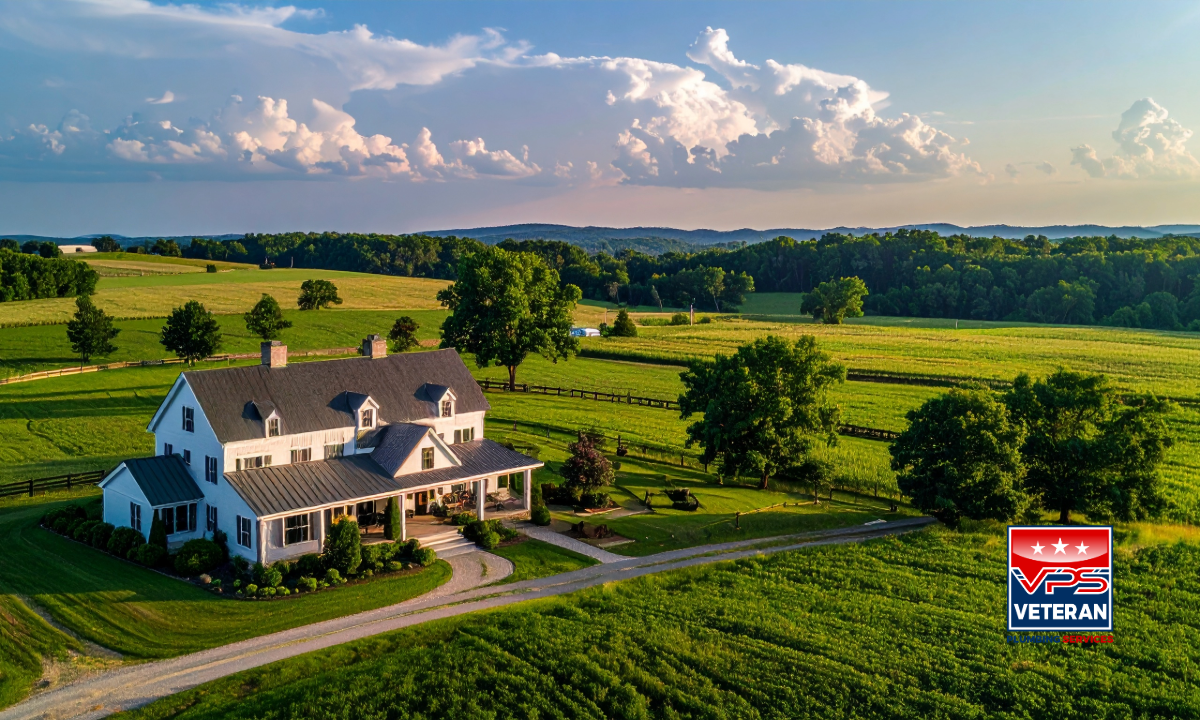
The Plains, Virginia is one of Fauquier County’s most distinctive rural communities — an area of large historic properties, working farms, and elegant rural residences along the Route 55 and Route 245 corridors west of The Plains village center. Many of the properties here are multi-generational, have been renovated or expanded over decades, and sit on septic systems that were permitted at a specific bedroom count that may or may not reflect the home’s current configuration or the homeowner’s renovation ambitions.
Veteran Plumbing Services works with rural Fauquier County homeowners on plumbing aspects of renovation projects throughout The Plains and surrounding communities, and the pattern on delayed or derailed addition projects is remarkably consistent: the homeowner engaged a contractor, the contractor began the design process, and at the permitting stage Fauquier County’s Health Department informed everyone that the existing septic system does not have the permitted capacity for the proposed addition. Understanding how Virginia’s septic permitting system works, and what questions to ask before hiring a single contractor, is the difference between a project that moves forward and one that stalls at the permit counter.
How Virginia’s Septic System Capacity Works
In Virginia, a private septic system is designed, permitted, and installed to serve a specific number of bedrooms. The bedroom count is the fundamental unit of septic design because it is used as a proxy for the number of occupants and therefore the expected daily wastewater volume. Virginia’s Department of Health, which administers the Sewage Handling and Disposal Regulations (12 VAC 5-610), requires that any change to a dwelling that increases the number of bedrooms triggers a new septic system evaluation to confirm the existing system has the capacity to handle the increased load.
What Counts as a Bedroom Under Virginia Septic Rules
Virginia’s definition is broader than the architectural definition. A room that could reasonably function as a bedroom — meaning it has a closet, a window, and sufficient square footage — may be counted as a bedroom for septic purposes regardless of how it is currently labeled or used. A “study” or “bonus room” that meets these criteria in a permit application may trigger an additional bedroom determination by the reviewing health official.
Additionally, an accessory dwelling unit (ADU), an in-law suite with its own kitchen and bathroom, or a detached guest cottage on a rural Fauquier County property is typically treated as a separate dwelling for septic purposes and may require its own septic permit rather than relying on the existing system’s capacity — regardless of how that unit is marketed or described in the building permit application.
The Three Outcomes When Fauquier County Evaluates Your Addition’s Septic Impact
The System Has Reserve Capacity
Some septic systems in The Plains were originally permitted at a bedroom count higher than the home currently has, either because the original permitting anticipated future expansion or because the property’s soil evaluation supported a larger system than was initially needed. If the existing permitted capacity covers the proposed addition, the Health Department can approve the addition without requiring any septic system modification, and the project moves forward. This outcome requires that the homeowner locate the original septic permit and have it reviewed by a Licensed Onsite Sewage System Professional before assuming the capacity is available.
The System Is at Capacity but the Site Has Space for Expansion
If the existing system is permitted at its current bedroom count with no reserve capacity, but the property has space that passes a soil evaluation for a drain field expansion or a replacement system, the addition may be approved contingent on a septic system upgrade. The upgrade permit follows a process that includes a licensed evaluator performing a soil and site assessment, a system design by a licensed designer, a Health Department permit application, and construction by a licensed installer. This process takes weeks to months depending on Health Department scheduling and contractor availability. It is not something that can be added to a building timeline as an afterthought.
The Site Cannot Support Additional Capacity
In some cases, a property in The Plains has no viable location for a drain field expansion. Steep slopes, proximity to streams or wetlands, existing structures, and soil conditions that fail percolation testing can all eliminate expansion options. When a site evaluation determines that no additional septic capacity can be accommodated on the property, the proposed bedroom addition cannot be permitted under Fauquier County’s Health Department review. This outcome does not come with a workaround. The only path forward is to redesign the project to stay within existing permitted bedroom count, to apply for a variance under specific circumstances defined in state regulation, or to explore whether alternative treatment technology might satisfy the site’s limitations.
The step most homeowners skip: Before engaging an architect or contractor for any bedroom addition on a rural Fauquier County property, the homeowner should obtain a copy of the existing septic system permit from the Fauquier County Health Department and have it reviewed by a licensed OSS professional. This review costs far less than an architect’s preliminary design and reveals the constraint — or confirms the capacity — before any design money is spent. A 30-minute conversation with the Health Department’s environmental health staff can tell you whether your addition concept is feasible before a single plan sheet is drawn.
The Plumbing Perspective — What a Plumber Contributes to This Process
While the septic capacity evaluation and permitting is handled by the VDH-licensed OSS professional and the Health Department, the plumbing inside the home for the addition — the drain lines connecting new bathrooms or wet rooms to the existing sewer lateral, the supply lines serving new fixtures, and the connection between the interior system and the septic tank — requires a licensed plumber working under a plumbing permit issued by Fauquier County. The plumbing permit and the septic modification permit are separate documents reviewed by separate agencies, but they need to be coordinated on the same project timeline. Starting plumbing rough-in before the septic permit is in hand creates significant risk of having to redo work that was not approved in sequence.
Planning a Home Addition on a Rural Fauquier County Property?
Veteran Plumbing Services coordinates plumbing permits and installation for rural Fauquier County home additions and renovations throughout The Plains and surrounding communities. We work within the permit sequence so your project does not stall.
Related Plumbing Reading for Fauquier County Homeowners
Septic system capacity is one part of the rural plumbing picture for property owners in The Plains and throughout Fauquier County. You may also want to read about the drain field warning signs in rural Culpeper County that apply equally to Fauquier County septic systems showing stress before full failure and what rural Stafford County homeowners need to know about well-septic system interaction on private properties. Understanding both the capacity limits and the physical condition of your septic system is the complete picture any rural Virginia homeowner needs.
About Veteran Plumbing Services
Veteran Plumbing Services is a Veteran-owned plumbing company serving The Plains, Warrenton, Marshall, Upperville, Bealeton, and communities throughout Fauquier County and Northern Virginia. We handle all residential plumbing installation for home additions, renovations, bathroom and kitchen remodeling, and new construction. Every job is permitted, code-compliant, and coordinated with the full project sequence.
References
Virginia Department of Health. (2023). Sewage Handling and Disposal Regulations: 12 VAC 5-610, onsite sewage system design and bedroom count determination. VDH. https://www.vdh.virginia.gov/environmental-health/onsite-sewage-water
Fauquier County Health Department. (2023). Onsite sewage system permit process and soil evaluation requirements for residential additions in Fauquier County. Fauquier County Government. https://www.fauquiercounty.gov/government/departments-f-l/health-department
Virginia Code § 32.1-163 et seq. (2023). Sewage collection and treatment: Authorization, regulation, and permit requirements for private onsite sewage systems. Virginia General Assembly. https://law.lis.virginia.gov/vacode
National Environmental Services Center. (2022). Residential accessory dwelling units and onsite wastewater system capacity: Design considerations and regulatory requirements. NESC Technical Assistance.